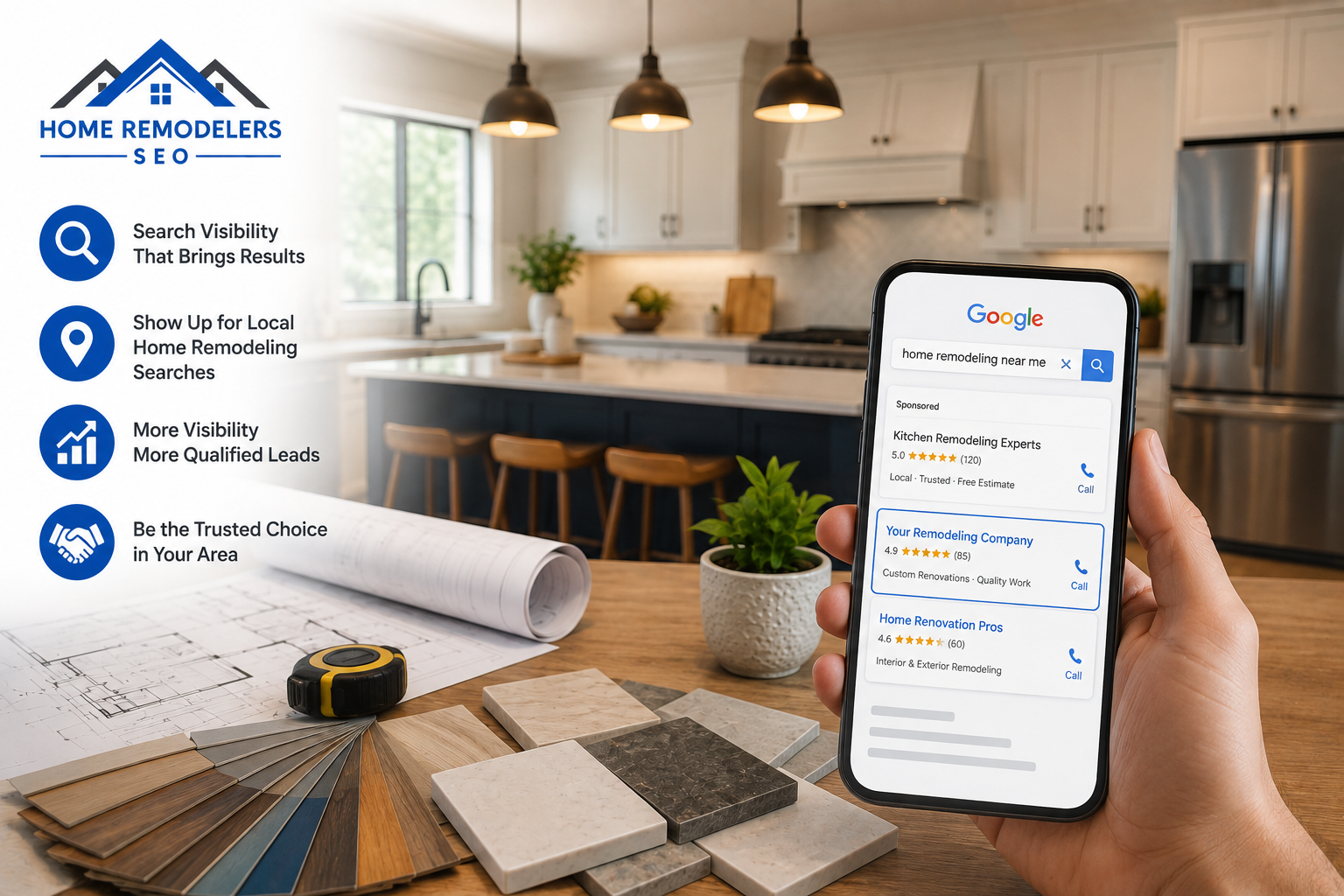
In today’s digital-first world, small businesses face stiff competition not only from local rivals but also from larger companies with more resources. The good news is that Search Engine Optimization (SEO) can level the playing field. By leveraging the right SEO practices, small businesses can improve online visibility, attract qualified leads, and grow sustainably.
Unlike paid ads, which stop working once the budget runs out, SEO provides long-term value. With consistent effort, it ensures your business is discoverable when potential customers search for the products or services you offer. Let’s explore the most effective SEO strategies that small businesses should focus on.
Start with Thorough Keyword Research
The foundation of any SEO strategy is keyword research. Keywords represent the terms your potential customers type into search engines. For example, a local bakery might want to rank for “best cupcakes near me,” while a remodeling company may target “kitchen renovation in [city].”
Small businesses should balance short-tail keywords (broad terms like “home remodeling”) with long-tail keywords (specific terms like “affordable bathroom remodel in Dallas”). Long-tail keywords often drive more qualified traffic because they match user intent more closely. Free and paid tools like Google Keyword Planner, SEMrush, and Ahrefs can help identify these opportunities.
Optimize Your Website Structure
A well-structured website is crucial for both users and search engines. Pages should load quickly, navigation should be intuitive, and the design must be mobile-friendly. Google prioritizes sites that deliver excellent user experiences.
Make sure to:
- Use descriptive URLs (e.g., /bathroom-remodeling-services instead of /page1).
- Add internal links between related pages.
- Create a sitemap to guide search engines through your site.
- Ensure your site is responsive across devices.
This technical optimization ensures that your website doesn’t just look professional but also ranks higher.
Create High-Quality, Relevant Content
Content remains one of the most powerful SEO tools. Small businesses should regularly publish blogs, guides, or case studies that address customer questions and showcase expertise.
For example, if you’re in the home improvement industry, sharing articles on “How to Plan a Kitchen Remodel” or “Top Flooring Materials for Modern Homes” builds credibility while boosting rankings. Content also allows you to integrate keywords naturally, improving discoverability without appearing spammy.
Local SEO Is a Game-Changer
For small businesses, local SEO is essential. Since most customers look for nearby services, ranking well in local search results can directly translate into foot traffic and sales.
Key steps to optimize local SEO include:
- Claiming and updating your Google Business Profile.
- Adding accurate NAP (Name, Address, Phone number) information across all directories.
- Encouraging satisfied customers to leave reviews.
- Using local keywords such as “roof repair in Chicago” or “plumber near [city].”
This approach ensures your business appears in Google’s “Local Pack,” the map-based results that attract a significant share of clicks.
Build High-Quality Backlinks
Backlinks—links from other reputable websites pointing to yours—remain a strong ranking factor. However, quality matters more than quantity. A handful of links from trusted industry sites can do more for your rankings than dozens of low-quality ones.
Strategies for building backlinks include:
- Guest posting on niche websites.
- Partnering with local organizations or charities and asking for mentions.
- Creating shareable content such as infographics or expert guides.
- Networking with industry professionals for collaborations.
Backlinks essentially serve as “votes of confidence” in the eyes of search engines.
Focus on On-Page SEO Elements
Optimizing your website’s individual pages is just as important as the broader strategy. Key on-page SEO practices include:
- Adding title tags that include target keywords.
- Writing compelling meta descriptions that encourage clicks.
- Using header tags (H1, H2, H3) to structure content.
- Incorporating alt text for images.
These steps ensure search engines understand your content and present it to the right audience.
Leverage Analytics and Tracking
SEO is not a one-time effort—it’s an ongoing process. Using tools like Google Analytics and Google Search Console, small businesses can monitor traffic, track keyword performance, and identify areas for improvement.
By analyzing this data, you can refine strategies, double down on what’s working, and quickly adjust tactics that aren’t delivering results.
Consider Professional SEO Services
While many small business owners try to manage SEO on their own, the landscape is complex and always evolving. Working with specialists—like those who focus on Home Remodelers SEO—can help small businesses implement proven strategies tailored to their industry. Professional SEO services save time, reduce guesswork, and provide measurable growth.
Keep Content Fresh and Updated
Search engines value fresh content. Outdated pages may slip in rankings, even if they were once highly visible. Regularly updating your website with new blog posts, service pages, or even revisiting older articles with updated information ensures your business stays competitive.
Engage with Your Audience
SEO isn’t just about algorithms—it’s about people. Encouraging users to interact with your content, share it, or leave reviews boosts credibility. Responding to comments or queries also shows that your business values its community, which can indirectly improve online performance.
Final Thoughts
For small businesses, mastering SEO doesn’t require a massive budget—it requires consistency, strategy, and a customer-first mindset. By focusing on keyword research, website optimization, content creation, local visibility, and backlinks, any small business can increase its digital footprint and attract more customers.
If you’re ready to take your SEO efforts to the next level or need expert guidance, don’t hesitate to Contact Us. The right SEO practices today can set your business up for long-term success tomorrow.